
Chasing the Aurora: A Realistic Guide to Murmansk, the Gateway to the Arctic
Gaurav Kumar
3. März 2026 • 4 min read
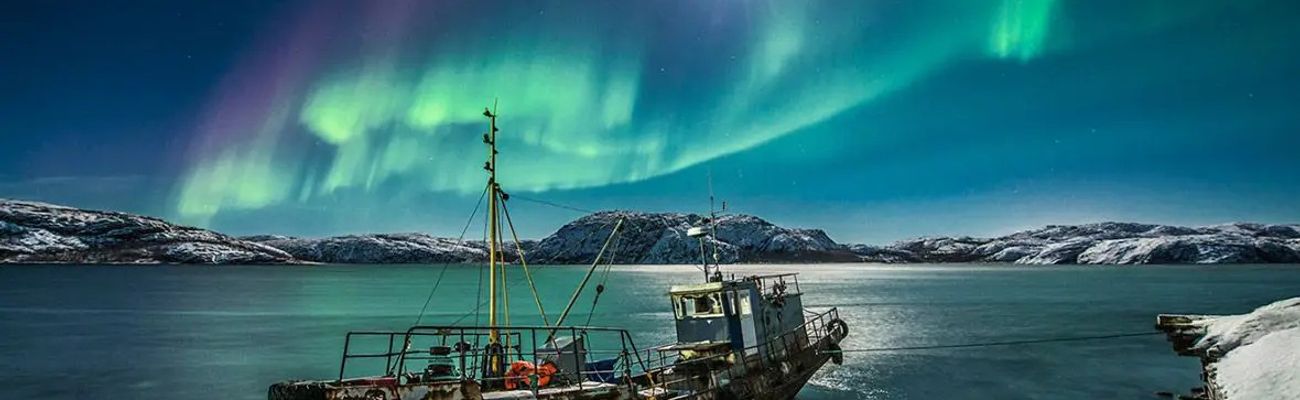
When most people think of chasing the Northern Lights or experiencing Arctic culture, their minds immediately go to Troms in Norway or Lapland in Finland. But just a bit further east lies Murmansk, Russia—a stark, fascinating, and deeply historical port city.
As the largest city in the world located north of the Arctic Circle, Murmansk is a place of extremes. It offers the dancing green ribbons of the Aurora Borealis, a gripping naval history, and the raw, untouched beauty of the tundra. However, traveling here is an adventure that requires setting the right expectations.
Here is everything you need to know about exploring the Russian Arctic.
🗺️ Quick Facts: Murmansk at a Glance
| Feature | Details |
| Location | Kola Peninsula, Northwestern Russia (125 miles north of the Arctic Circle) |
| Population | Approximately 300,000 |
| Claim to Fame | The world's largest Arctic city; Hero City of WWII |
| Best Time for Aurora | Late September to mid-April |
| Climate | Long, snowy winters (often dropping below -20°C) and brief, mild summers |
🎒 Top Experiences in the Russian Arctic
If you make the journey to Murmansk, you aren't just going for a standard vacation; you are going for an expedition. Here are the highlights you cannot miss:
- Chase the Northern Lights: Because of its position directly under the Aurora oval and its long polar nights (where the sun doesn't rise for weeks in the winter), Murmansk is one of the most reliable places on Earth to see the Northern Lights. You will want to book a guided "aurora hunting" tour, as locals know how to navigate the tundra to find the clearest, darkest skies away from city lights.
- Step Aboard the Lenin Nuclear Icebreaker: Murmansk is a city built on maritime power. The Lenin was the world’s first nuclear-powered surface ship, designed to carve paths through the frozen Arctic Ocean. Today, it sits in the harbor as a fascinating museum where you can explore the preserved reactor rooms and 1950s Soviet interior.
- Pay Respects at the Alyosha Monument: Standing 35 meters tall overlooking the Kola Bay, the "Defenders of the Soviet Arctic" monument (affectionately known as Alyosha) is a massive, sobering tribute to the soldiers who defended the city against German forces during World War II. The panoramic views of the industrial port from here are incredible.
- Venture to the Edge of the World in Teriberka: A popular day trip from Murmansk is the drive to Teriberka, a semi-abandoned fishing village on the shores of the Barents Sea (part of the Arctic Ocean). Famous as the filming location for the movie Leviathan, it features ship graveyards, dramatic cliffs, and a hauntingly beautiful, desolate atmosphere.
- Discover Saami Culture: The Kola Peninsula is home to the indigenous Saami people. Visiting a Saami village allows you to learn about their nomadic history, meet their reindeer herds, and interact with the friendly Siberian Huskies that thrive in this harsh environment.
⚠️ The Reality of Traveling to Russia Today
While the allure of the Arctic is strong, it is crucial to ground your travel plans in reality. Traveling to Murmansk requires navigating significant logistical hurdles due to the current geopolitical climate:
- Visas and Advisories: Depending on your nationality, obtaining a Russian visa can be a complex process. Furthermore, many countries currently have strict travel advisories regarding Russia; you must consult your local government's guidelines before planning a trip.
- Financial Logistics: Major international payment networks have suspended operations for foreign cards in Russia. This means your home credit and debit cards will not work. You will need to bring hard currency to exchange and rely strictly on cash for your entire trip.
- Flight Routes: Direct flights from Western Europe and North America to Russia are largely suspended. Reaching Murmansk usually requires flying through a third country to Moscow or St. Petersburg, and then taking a domestic flight or a long train ride north.
🍲 A Taste of the Tundra
If you do make it, the food scene will surprise you. Arctic cuisine is rich and hearty, designed to keep you warm. Look out for:
- King Crab and Scallops: Freshly caught from the Barents Sea.
- Reindeer Meat: Served in stews, as steaks, or in traditional stroganoff.
- Cloudberries: A tart, golden Arctic berry often made into jams and desserts.
Murmansk is a destination of profound contrasts—industrial grit against natural wonder, freezing temperatures against warm hospitality. It is not an easy trip, but for the dedicated traveler, it is an unforgettable one.